Bitcoin self-custody step by step: from exchange to your wallet
What self-custody is, the risks of leaving your BTC on an exchange and how to move it to a wallet you control, starting with a small test first.
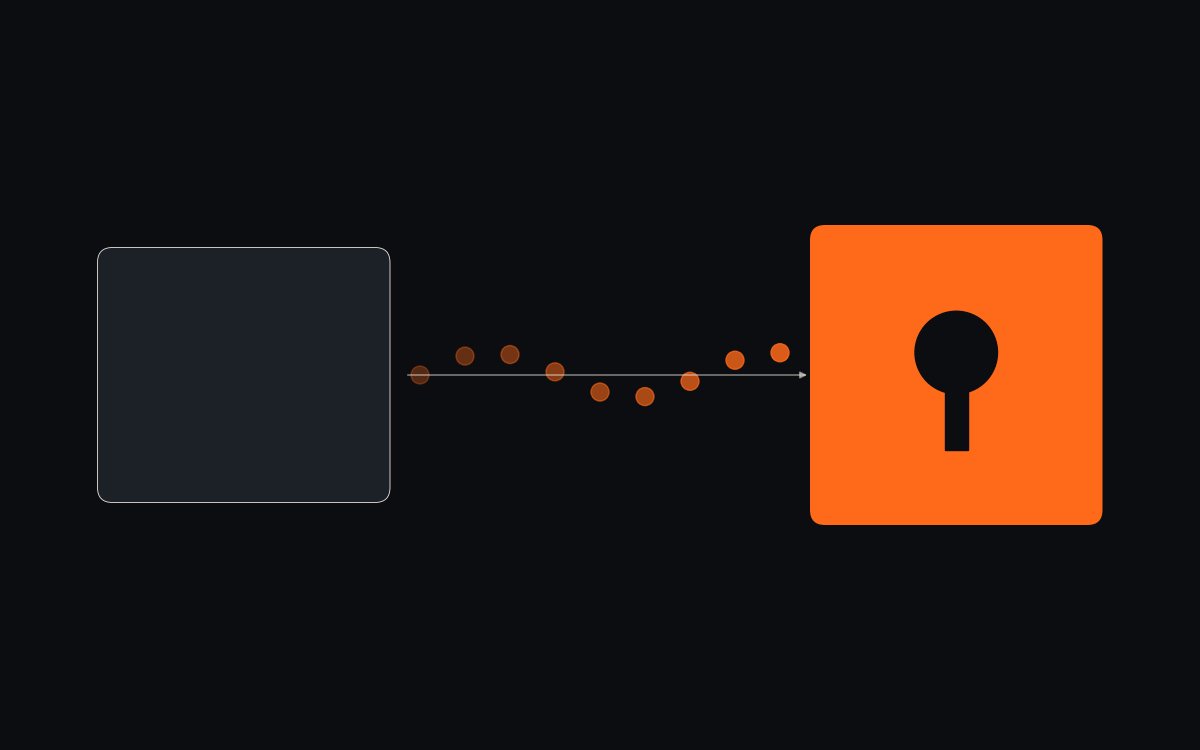
Self-custody means that you, not an exchange, control the private keys to your bitcoin. To do it, create your own wallet, store the seed phrase offline, send a small amount from the exchange first and, once you confirm it arrived, send the rest.
What self-custody is
Self-custody means you control the private keys to your bitcoin. The private key is what lets you sign transactions, that is, move the funds. Whoever holds the key holds the bitcoin.
When you buy BTC on an exchange and leave it there, the exchange holds the keys. You see a balance in the app, but in practice you have a promise that they will give it back when you ask. That is where the most repeated phrase in the ecosystem comes from: not your keys, not your coins.
With your own wallet, the keys are generated on your device and backed up in a seed phrase: a list of 12 or 24 words. If you want to review the types of wallet, see what is a crypto wallet.
The risks of leaving funds on an exchange
The main risk is depending on a third party to keep its word. Crypto history has several examples of exchanges that didn’t: Mt. Gox in 2014 and FTX in 2022 left millions of users waiting years to get back part of their money.
The concrete risks are:
- Bankruptcy or mismanagement. If the exchange uses customer funds and can’t return them, you become a creditor.
- Hacks. An attack on the platform can drain its reserves.
- Frozen withdrawals or a frozen account. Because of liquidity problems, regulatory decisions or compliance reviews.
- Account takeover. If someone gets into your account, they can withdraw everything. If you are going to keep using an exchange, read how to secure your exchange account.
Self-custody trades those risks for others: now you are the one responsible. If you lose the seed phrase or give it to a scammer, nobody can help you.
Step by step: from the exchange to your wallet
Before you start, choose the wallet. For long-term savings, a hardware wallet is usually the safest option; we explain the criteria in how to choose a hardware wallet. For small amounts, an open-source mobile wallet can be good for practice.
With the small test you can also practice sending the other way: send part of it back to another address of yours. That way you make sure you know how to sign a transaction before you need to.
Common mistakes
Storing the phrase on your phone
A photo, a note or a message to yourself is exposed to hacks and to automatic cloud backups.
Check: how to store your seed phraseChoosing the wrong network
Withdrawing BTC on a network your wallet doesn't support can mean the funds don't show up or are hard to recover.
Check: the network selected for the withdrawalSkipping the small test
A mistake in the address or the network with your whole balance can't be undone.
Check: that the first transfer arrivesBuying a used device
A second-hand hardware wallet, or one from a reseller, may have been tampered with.
Check: buy from the official channelHaving no inheritance plan
If only you know where the phrase is, your bitcoin can be lost forever.
Check: instructions for someone you trustNo legitimate party will ask for your phrase
Not the wallet’s support team, not the exchange, not a so-called technician. If someone asks you for the 12 or 24 words, it is a scam. More details in how to store your seed phrase.
What to do now
- Decide which part of your BTC is long-term savings and which part you use often.
- Choose a wallet for the savings and set it up without rushing.
- Do the small test this week, even if you move the rest later.
- Store the seed phrase in a durable backup and think about who could access it if something happens to you.
FAQ
Is it safe to leave my bitcoin on an exchange?
It means trusting a third party. If the exchange goes bankrupt, gets hacked or freezes withdrawals, you can lose access to your funds. For small amounts or money you use often it can make sense; for long-term savings, self-custody reduces that risk.
What happens if I lose my wallet or my hardware wallet?
If your seed phrase is stored safely, you can recover the funds in another compatible wallet. What cannot be recovered is the phrase: if you lose it and lose the device, the funds become inaccessible.
How much does it cost to move BTC from an exchange to my wallet?
You pay the exchange's withdrawal fee, which each platform sets its own way. Check the current amount in the withdrawals section before sending.
This guide is educational and is not financial advice. Spotted an error? Request a correction.