How to choose a hardware wallet to store your bitcoin
What a hardware wallet is, what to check before you buy one (open source, secure element, coin support, reputation) and which mistakes to avoid.
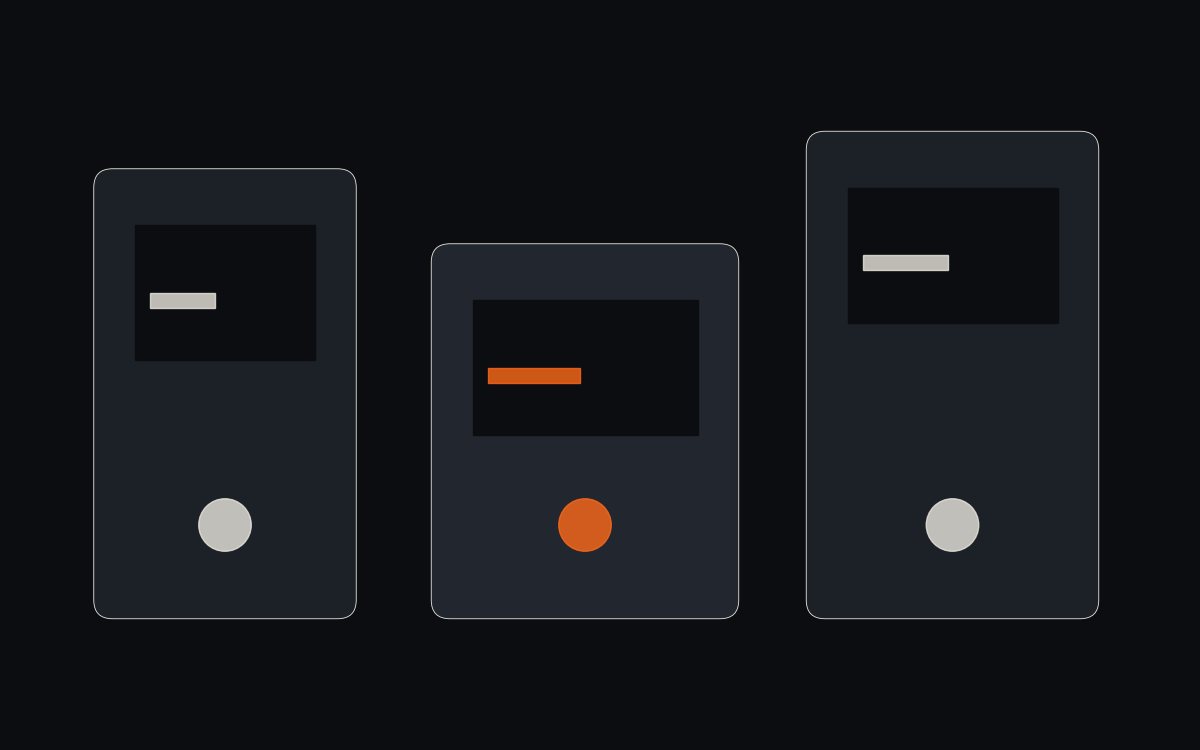
A hardware wallet is a physical device that keeps your private keys offline and signs transactions inside it. To choose one, check whether its code is open source, whether it has a secure element, which coins it supports and the maker's reputation, and always buy it from the official channel, never used.
What a hardware wallet is
A hardware wallet is a physical device, similar to a USB stick or a small phone, that stores your private keys. Its job is to sign transactions without the key ever leaving the device.
When you want to send BTC, you build the transaction on your computer or phone, confirm it on the device screen and the device signs it. Even if your computer has malware, the attacker can’t see the key. That is why it is the most common choice for long-term savings in self-custody.
One key detail: your bitcoin is not “inside” the device. It is on the blockchain. The device stores the key to move it, and that key can be rebuilt from the seed phrase.
What to look for
There is no perfect wallet. There are trade-offs between security, transparency and convenience.
For years there was a debate between open source and secure elements, because secure element chips usually run closed software. Today several makers combine both: open firmware with a secure element for the sensitive parts. It is worth checking how each model handles this.
Well-known examples
These makers are named only as examples, not as recommendations. Models, prices and features change: check the current information on each official website before you decide.
| Tool | What it checks |
|---|---|
| TrezorMulti-coin or Bitcoin-only | Open-source firmware. Its newest models include a secure element and come in Bitcoin-only editions. |
| LedgerMulti-coin | Uses a certified secure element. Part of its software is closed source. Supports many networks. |
| BitBoxMulti-coin or Bitcoin-only | Swiss maker. Open firmware and a secure element, with a Bitcoin-only edition. |
| ColdcardBitcoin-only | Focused exclusively on Bitcoin, with advanced options such as signing without connecting to a computer. |
There are other brands on the market. Apply the same criteria to any of them you are considering.
Common mistakes
The most frequent attacks don’t break the chip: they exploit how you bought or set up the device.
Buying used
A second-hand device can have modified firmware or a seed phrase the seller already knows.
Check: that it arrives new and sealed from the makerUnauthorized resellers
Cheap marketplace listings can be tampered-with or counterfeit devices.
Check: the official list of resellersA seed phrase included in the box
No legitimate maker sends you a written phrase. The phrase is generated on the device when you set it up.
Check: that the device generates it itselfSoftware downloaded from anywhere
There are fake apps that imitate the maker's app to steal the phrase.
Check: the official URL and the verified siteSkipping the first update
During setup, update the firmware from the official app. It fixes known flaws.
Check: that the firmware verification passesIf you get a message from your device maker
There have been leaks of customer data from hardware wallet makers. Afterward, many buyers received fake emails, messages and even packages asking for their seed phrase. The maker will never ask you for it.
What to do now
- Decide whether you need Bitcoin only or several networks.
- Compare two or three options against the criteria above on their official websites.
- Buy directly from the maker or from a reseller on its official list.
- When it arrives, set it up from scratch and then back up the phrase: we explain how in how to store your seed phrase.
- Make a small test transfer before moving everything. If you are just getting started, first review what is a crypto wallet.
FAQ
What happens if my hardware wallet breaks or I lose it?
Your bitcoin is not on the device; it is on the blockchain. With your seed phrase you can recover it on another compatible device. That is why backing up the phrase matters as much as the wallet itself.
Should I get a Bitcoin-only wallet or a multi-coin one?
If you only hold BTC, a Bitcoin-only version has less code and therefore a smaller attack surface. If you use several networks, a multi-coin wallet is more practical. It depends on how you use it.
Can I buy a hardware wallet on Mercado Libre or Amazon?
It is a risk. If it is not the maker's official store or an authorized reseller listed on its website, the device could have been tampered with. The safest option is to buy from the official store.
This guide is educational and is not financial advice. Spotted an error? Request a correction.