What is Bitcoin? A simple beginner's guide from scratch
What Bitcoin is, who created it, how the blockchain and mining work, what people use it for and the risks you should know before you buy.
Bitcoin is digital money that works without banks or governments controlling it. It was created by an anonymous person or group called Satoshi Nakamoto, who published its design in 2008 and launched the network in 2009. Transactions are recorded on a public blockchain, and there will never be more than 21 million bitcoins.
Bitcoin in one sentence
Bitcoin is digital money you can send to anyone in the world without asking a bank for permission. There is no company behind it and no country that issues it.
When people say “Bitcoin” with a capital B, they mean the network, the whole system. When they say “bitcoin” or BTC, they mean the currency that moves on that network.
Each bitcoin can be divided into 100 million parts. The smallest unit is called a satoshi, or “sat”. That is why you don’t need to buy a whole one.
Who created it and when
Bitcoin was created by someone who signed as Satoshi Nakamoto. To this day, no one knows for sure whether it is one person or a group.
- In 2008 Satoshi published the document that explains how Bitcoin works, known as the whitepaper. Its title is “Bitcoin: A Peer-to-Peer Electronic Cash System”.
- In January 2009 the first block of the network was created, called the genesis block. Since then, Bitcoin has run without any major interruptions.
Satoshi stopped taking part publicly a few years later. The project kept going with developers and users from all over the world.
How it works: blockchain, mining and 21 million
Bitcoin rests on three ideas. You don’t need to understand the technical side to use it, but it helps to know what each one does.
Blockchain
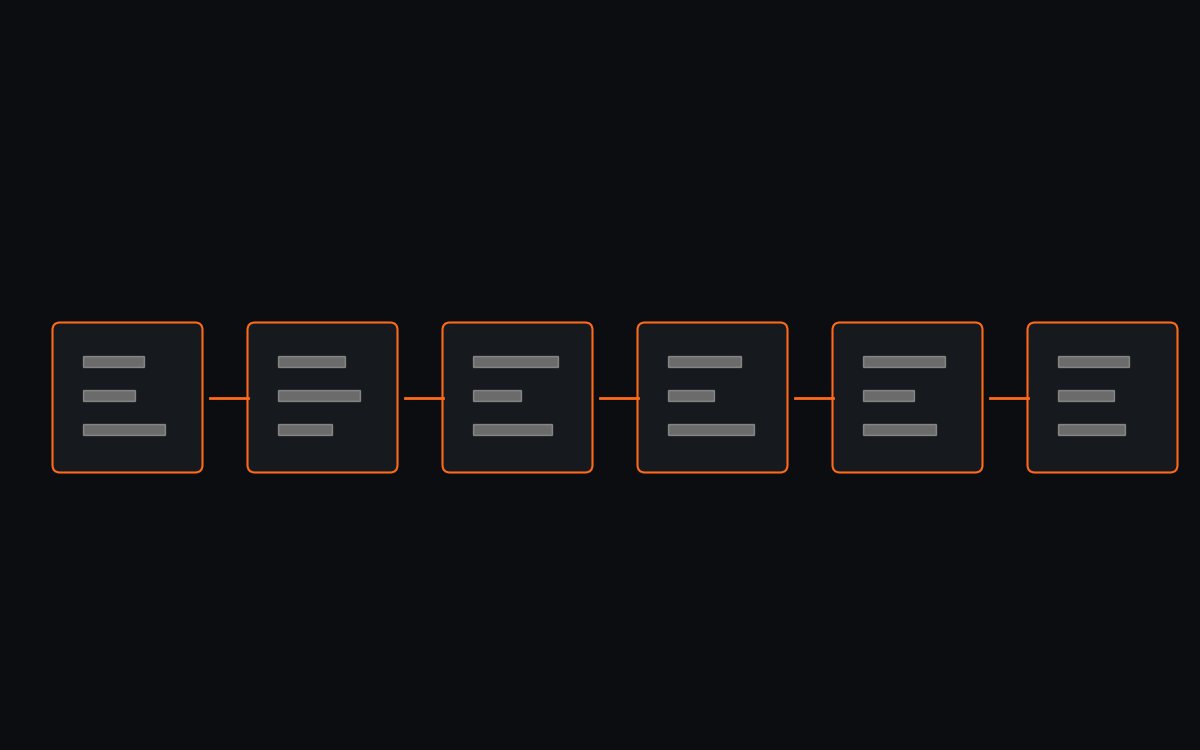
A public record of every transaction, grouped into chained blocks. Thousands of computers keep an identical copy, so no one can delete or edit the past.
Think of it as: a shared ledgerMining
Miners use specialized computers to order new transactions and add blocks. In return they receive newly created bitcoins and the fees users pay.
Think of it as: the ones who validate and get paid for itMaximum supply
There will never be more than 21 million bitcoins. The amount created in each block is cut in half every so often, in an event called the halving.
Think of it as: a fixed, known issuanceMining uses a system called proof of work. To add a block, a miner has to solve a calculation that costs a lot of energy. That makes rewriting history extremely expensive, which is why the network is secure.
The halving has already happened in 2012, 2016, 2020 and 2024. If you want to understand why it matters, we have a guide on what the Bitcoin halving is.
When you send bitcoin, what you actually do is sign a message with a secret key that only you have. The network checks the signature and records the transfer. That key lives in a wallet; we explain it step by step in what is a crypto wallet.
What people use Bitcoin for
People use Bitcoin for different reasons. These are the most common:
- Long-term savings. Many see it as a store of value, similar to gold, because its supply is limited.
- Sending money abroad. You can send value to another country without going through a bank, at any hour.
- Protection from local inflation. In countries whose currencies lose value fast, some people use it as an alternative. Keep in mind that its price also moves a lot.
- Payments. Some merchants accept it, although this is not its most widespread use.
Bitcoin is not the only cryptocurrency. Other networks, such as Ethereum or Solana, were designed for other uses, such as applications and programmable contracts.
Risks you should know
Bitcoin has real advantages, but it also has risks you should face squarely before putting in any money.
Before you buy
- Volatility. The price can rise or fall a lot in days or weeks. Only invest what you can afford to lose.
- Mistakes you can’t undo. If you send bitcoin to the wrong address, there is no bank to give it back.
- Losing your keys. If you lose your seed phrase and have no backup, you lose access to your funds forever.
- Scams. No one serious will promise to double your money. If someone offers that, it is a scam.
- Platform risk. If you leave your funds on an exchange, you depend on that company working properly.
- Taxes and regulation. Each country has its own rules. Find out what applies where you live.
What to do now
If you want to take the first step, do it in this order:
- Learn the basics of wallets. Read what is a crypto wallet to understand where your bitcoins are kept.
- Choose how to buy. If you are in Argentina, follow how to buy bitcoin in Argentina. If you are in Spain, see how to buy crypto in Spain.
- Start small. A small purchase lets you learn the process without taking on too much risk.
- Keep the vocabulary handy. If a word stops you, look it up in the crypto glossary.
FAQ
Do I have to buy a whole bitcoin?
No. Each bitcoin is divided into 100 million parts called satoshis, or sats. You can buy a small fraction, depending on the minimum the platform you use accepts.
Who controls Bitcoin?
No one in particular. Thousands of computers around the world keep a copy of the ledger and enforce the rules. Changing those rules requires very broad agreement among participants.
Is Bitcoin anonymous?
Not entirely. It is pseudonymous: addresses don't show your name, but every transaction is public and can be linked to you, for example through an exchange where you verified your identity.
This guide is educational and is not financial advice. Spotted an error? Request a correction.